
If you’re navigating mood swings or everyday stress, you’re not alone. More adults are turning to CBD for calm and balance, and CBD Pure Hemp Oil offers a straightforward option that fits into real life. It uses hemp-derived cannabidiol with minimal THC to help modulate signaling in the endocannabinoid system, aiming to support your emotional well-being without a complicated regimen.
You deserve clarity you can trust—sourcing you can verify, clear labels, and third-party COAs that confirm what’s in the bottle. Let’s walk through how to choose, dose, and track its effects so you can decide if it’s a fit for your routine and your needs.
Key Points
- CBD Pure Hemp Oil is a hemp-derived extract focused on overall well-being with CBD as the core active, usually with minimal THC.
- It works indirectly by modulating endocannabinoid signaling, supporting mood and stress responses rather than directly activating receptors.
- Choose products with transparent labeling and third-party COA tests to ensure quality, accurate dosing, and clean sourcing.
- Start with a low dose, adjust gradually, and track effects to tailor dosing for mood and emotional balance.
- Pair use with a consistent routine, consider potential drug interactions, and consult a clinician if on psychotropic or anticoagulant medications.
What Is CBD Pure Hemp Oil?
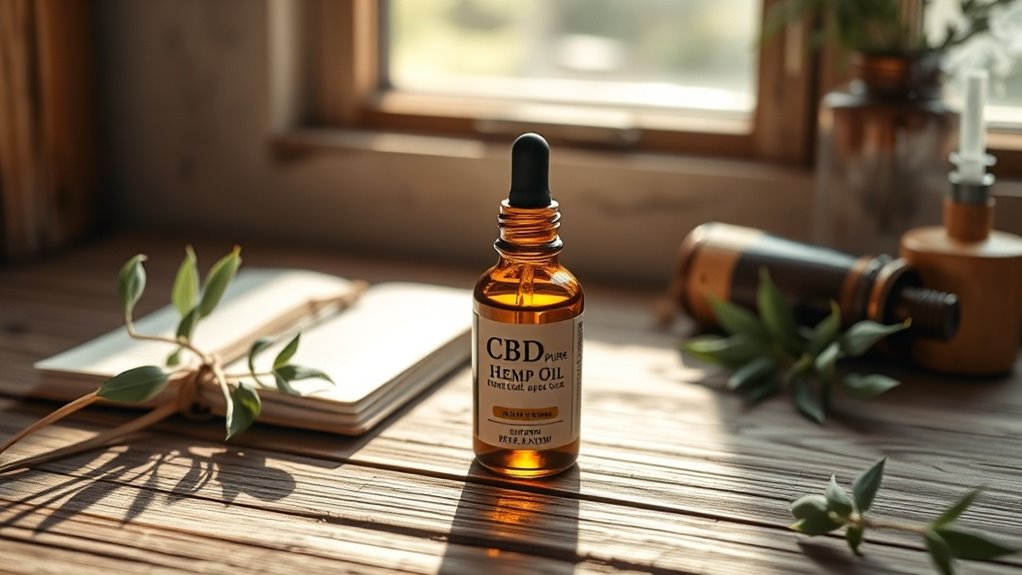
CBD Pure Hemp Oil refers to a product derived from hemp plants that contains cannabinoids, notably CBD, without significant amounts of THC. You’ll find it labeled as a hemp-derived extract aimed at supporting overall well-being. The core active component is cannabidiol, a non-intoxicating compound studied for potential effects on mood regulation and discomfort management. Purity levels vary by product, with some formulations enriched for CBD and others blended with carrier oils like MCT or hemp seed oil to aid absorption. When evaluating options, consider third-party testing, transparency, and cannabinoid profiles. Calming effects are commonly described anecdotally, though outcomes differ by individual. Dosage nuances matter: start low, monitor response, and adjust gradually to achieve the desired balance without exceeding recommendations.
How CBD Interacts With the Endocannabinoid System
The endocannabinoid system, a network that helps regulate balance across several body processes, interacts with CBD in ways that aren’t about binding directly to the main receptors. You’ll see effects emerge through endocannabinoid signaling, where CBD influences the tone and duration of signaling rather than acting as a classic agonist. Rather than forcing receptor activation, CBD may modulate how endocannabinoids are produced, degraded, and reabsorbed, shaping overall signaling dynamics. This modulation can support mood and stress responses by balancing excitatory and inhibitory signals in neural circuits. You won’t find a single receptor target with CBD; instead, its influence appears through indirect pathways that refine receptor activation patterns across the system. This nuanced interaction emphasizes balance over direct receptor engagement.
Choosing a Quality CBD Product
When choosing a CBD product, you should prioritize transparency, quality controls, and clear labeling to verify what you’re getting. A quality product lists its hemp source, extraction method, and CBD concentration on the label, with third-party test results readily accessible. Look for COA transparency that confirms cannabinoid profiles and absence of contaminants. Verify the product uses reputable extraction methods, such as supercritical CO2, and avoid solvents left inic. Assess product format for fit with your needs, whether oil, capsule, or topical. Practice label literacy: compare milligrams per serving, total servings, and serving size to avoid over- or under-dosing. Ensure discrete dosing options are clear, and that dosing guidance aligns with your experience level and goals.
Understanding Dosing Basics
Determining the right dose hinges on your goals, body weight, and prior experience with cannabinoids. When understanding dosing basics, you’ll focus on practical structure rather than guesswork. Start with low, gradual adjustments and monitor effects. Note that individual response varies, so a single chart won’t fit everyone. Tracking timing and results helps you refine dosing timing and dosage range over time. Use clear records to recognize patterns and avoid overshooting effects.
Determine your dose by goals, weight, and experience; start low, track effects, and refine gradually.
- Start low and go slow to establish a baseline
- Track dosing timing and effects for consistency
- Adjust within a narrow dosage range before increasing
- Consider product potency and serving size accuracy
Potential Benefits for Mood and Stress
You may notice CBD’s potential influence on mood and stress through two key areas: Mood Support Mechanisms and Stress Response Modulation. The Mood Support Mechanisms point to how CBD might influence neurotransmitter signaling related to mood, while Stress Response Modulation covers potential impacts on the body’s reaction to stressors. Understanding these mechanisms helps you evaluate how CBD could fit into a broader approach to mood regulation and stress management.
Mood Support Mechanisms
CBD Pure Hemp Oil may influence mood and stress through multiple neural pathways. You’ll notice changes via mechanisms that include modulation of endocannabinoid signaling, interaction with serotonin and GABAergic systems, and potential anti-inflammatory effects in neural circuits related to emotion. These pathways can influence responsiveness to mood triggers and support stability across daily routines. By supporting balanced neurotransmitter activity, the oil may aid in emotional regulation without inducing sedation. You might experience subtle shifts in stress reactivity, improved clarity, and steadier baseline mood as you maintain consistent usage. It’s important to track personal responses and integrate, not replace, established daily routines for mood management. Effects vary; observe individual patterns and adjust usage accordingly.
- mood triggers
- endocannabinoid signaling
- neurotransmitter balance
- daily routines
Stress Response Modulation
Stress response modulation may offer several mood-related benefits by influencing how the body handles acute and chronic stress. You assess how cannabinoids interact with the endocannabinoid system to regulate HPA axis activity and autonomic balance. This modulation can lessen exaggerated stress reactions and support steadier mood states during demanding periods. You may notice improved resilience and fewer intrusive cortisol spikes when exposure to stress is brief or predictable. The literature suggests potential sleep-related benefits from reduced hyperarousal, contributing to a clearer daytime functioning profile. Calming anecdotes describe calmer reactivity in daily challenges, though individual responses vary. Sleep connection considerations highlight that enhanced rest supports emotional regulation. In practice, assess tolerance, monitor mood changes, and use CBD hemp oil as part of a balanced stress-management plan.
Common Concerns and Safety Considerations
You should consider safety considerations, potential interactions, and the importance of quality and sourcing when using CBD oil. Be aware of how products are tested, labeled, and sourced, and note any possible interactions with medications or underlying conditions. This discussion starts with clear, precise checks to support safe use and informed choices.
Safety Considerations
What safety concerns should you consider with CBD Pure Hemp Oil, and how can you address them effectively?
You should evaluate product quality, dosing accuracy, and potential interactions with your medications. Start with third‑party testing results, verify cannabinoid profiles, and confirm sourcing. Keep servings modest if you’re new to CBD, and adjust slowly to gauge effects. Be aware that some products may contain trace contaminants or inconsistent concentrations. While researching, avoid unrelated topic and off topic discussion that distracts from evidence. If you have a medical condition or take prescription drugs, consult a clinician before use. Stop use if you notice adverse effects, and report them to the supplier for quality improvement.
- Verify third‑party testing and sourcing
- Start with low doses and titrate slowly
- Check for contaminants and label accuracy
- Consult a clinician if on medications or with health concerns
Potential Interactions
Potential interactions with CBD Pure Hemp Oil are a key safety consideration, particularly for people taking prescription meds or supplements. You should know that CBD can influence how other compounds are metabolized, which may alter drug levels. Interactions with medications can occur via liver enzymes and transporter proteins, affecting efficacy or side effects. Start with a low dose and increase gradually if you’re monitoring how you feel. If you’re taking anticoagulants, antiepileptics, antidepressants, or sedatives, discuss CBD use with a clinician to avoid unexpected results. Cannabinoid drug interactions may emerge as dizziness, fatigue, or changes in mood or sleep. Do not discontinue prescribed therapies without professional guidance, and report any new or worsening symptoms promptly.
Quality and Sourcing
Quality and sourcing are key safety considerations for CBD Pure Hemp Oil. You should verify that products come from transparent supply chains, with documented plant provenance and third‑party testing. Look for clear labeling, including batch numbers, extraction methods, and cannabinoid content, to ensure consistency and potency. Avoid vague claims or unverified certificates. Favor companies that disclose cultivation practices, pesticide controls, and seed origin, since quality sourcing directly impacts purity and safety. Ensure COA access for each batch to confirm absence of heavy metals, solvents, and contaminants. Consider sourcing from farms that practice sustainable, compliant cultivation and non-GMO genetics. Your diligence reduces risk and supports predictable effects. When in doubt, contact the manufacturer for detailed provenance information and testing results.
- Clear labeling and batch documentation
- Third‑party COA availability
- Documented plant provenance
- Transparent cultivation practices
Practical Tips for Incorporating CBD Into Your Routine
If you’re new to CBD hemp oil, start with a low dose and gradually increase to find what works for you. Begin with a consistent routine, using CBD at roughly the same time each day to support predictable effects. Consider a baseline dose of a few milligrams, then adjust in small increments, monitoring mood and daytime focus. Calming routines can include taking your CBD with a light meal to aid absorption and avoiding simultaneous intake of other active supplements. For routine integration, pair CBD with existing habits, such as after a workout or during your wind-down period. Document effects briefly to identify patterns, and avoid changing multiple variables at once. Maintain realistic expectations and prioritize safety and product quality.
Reading Labels and Tracking Your Experience
Reading labels helps you make informed choices and track how products affect you. When you read labels, assess active ingredients, dosage ranges, and any carrier oils or allergens. Note cannabinoid content, third‑party testing, and expiration dates to ensure consistency and safety. Track your experience by documenting how you feel after each dose, timing, and any side effects or relief. This practice supports emotional balance by linking outcomes to specific products and dosages. Keep a simple log, so you can adjust use with confidence and avoid overuse. Remember to compare products by labeling transparency and quality indicators, not just price. Reading labels and tracking experience helps you optimize CBD Pure Hemp Oil’s benefits over time.
- Active ingredients and dosage
- Third‑party testing and expiration
- Allergens and carrier oils
- Personal response and adjustments
Common Questions
How Quickly Can CBD Pure Hemp Oil Affect Mood?
How quickly can CBD Pure Hemp Oil affect mood? In most cases, you may notice subtle mood effects within 30 minutes to a few hours, though this varies by dose, product quality, and individual biology. Some users feel calmer or more balanced as anxiety or irritability diminishes. For others, effects are gradual over days. If you’re tracking mood, consider consistent daily use and consult a clinician if you have underlying conditions or take medications that interact.
Can CBD Cause Test Positive on Drug Screens?
Yes, CBD can cause a positive result on some drug screens, though it’s uncommon. Most standard screens test for THC, not CBD, but many CBD products contain trace THC that can trigger a positive if consumed in quantity or if the product isn’t properly labeled. To minimize risk, choose products with verified “zero-THC” or clearly labeled limits, and consult your employer or tester about their specific testing practices and thresholds.
Is CBD Pure Hemp Oil Suitable for Beginners?
Yes, CBD Pure Hemp Oil can be suitable for beginners. If you’re new, aim for beginner friendly dosing and start with the lowest effective amount, then adjust gradually. Use starter usage guidelines: take it daily, monitor effects, and record any changes. Choose a low CBD potency and simple formulation to reduce variability. Always consider possible interactions with meds and consult a professional if you have health concerns. Safety and consistency matter for steady results.
Are There Interactions With Common Medications?
Yes, there can be interactions with common medications. You should consider drug interaction considerations and check for potential interactions with enzymes that metabolize CBD. Start with a low dose and monitor effects, especially if you’re taking anticoagulants, anticonvulsants, antidepressants, or sedatives. Consult your clinician before using CBD if you’re on prescription meds. Do not stop or alter meds without professional advice. Stay vigilant about side effects and report any changes promptly.
What Certifications or Third-Party Testing Exist?
Certifications and third-party testing vary by product, but you should look for a certifications overview on the label or company site. Reputable products often feature third party testing reports, showing cannabinoid content, contaminants, and potency. Ensure the certificates come from accredited labs and are current. You’ll want documentation like COA PDFs linked from the product page. Trustworthy brands publish clear third party testing results so you can verify ingredients, purity, and accurate CBD dosing before you buy.
All Together
You’re ready to take a confident step toward emotional balance with CBD Pure Hemp Oil. Picture it as a steady guide that gently supports your body’s signaling systems, helping you feel more like yourself—calm, focused, and resilient. With clear labeling and transparent sourcing, you’ll navigate dosing with clarity, starting small, tracking your effects, and adjusting thoughtfully as you go. As you commit to quality and consistency, you’ll notice how this simple routine can complement your mood and stress-management efforts without overwhelming your day.
Now is the moment to act on that momentum. Embrace a mindful approach to your wellness journey, stay informed about safety and interactions, and choose a product you can trust. By prioritizing quality and routine, you’re empowering yourself to show up with more energy, steadier confidence, and a brighter outlook. Take control of your health today and step into the next level of well-being.